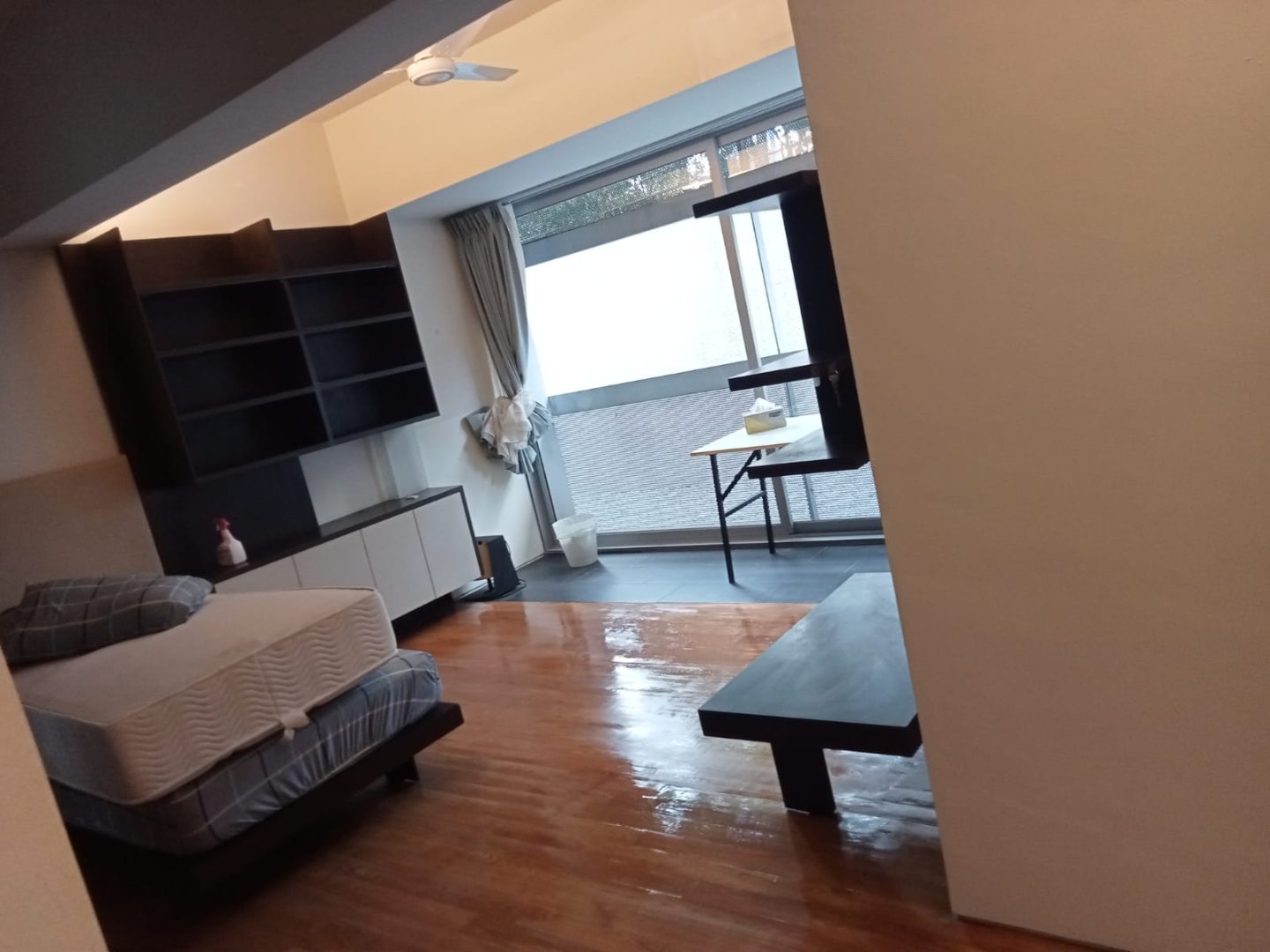
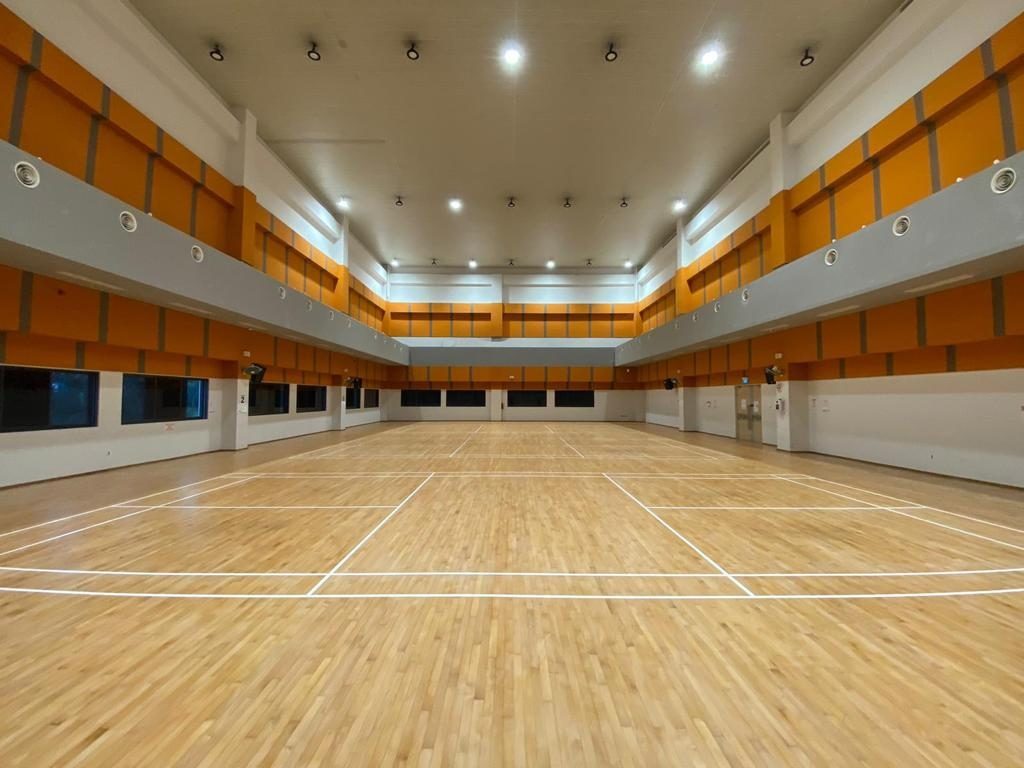
Parquet repair and restoration Singapore
Parquet repair and restoration — board replacement, gap filling, sanding and re-coating to bring an aged parquet floor back to a clean, even surface. Useful where the parquet is structurally sound but the finish, scattered blocks or surface have degraded.

What this scope is
Older parquet floors typically fail in two ways: surface finish wears thin or yellows, and individual blocks loosen, lift or crack from moisture or impact. Restoration replaces or re-bonds damaged blocks, fills gaps, sands the floor flat and applies fresh varnish. In most homes, the original parquet is sound enough to restore rather than replace, which is usually less expensive and less disruptive than full removal.
Who this is for
- Properties with original parquet floors that have darkened, yellowed or scuffed.
- Floors with localised water damage, broken blocks or lifted sections.
- Pre-sale or pre-tenancy refurbishment.
- Heritage and shophouse properties retaining the original wood floor.
Scope of works
- Assessment of existing parquet — block condition, moisture content, subfloor.
- Selective board replacement for damaged or missing blocks (where matching species and size is available).
- Gap filling for routine drying gaps between blocks.
- Full sanding back to bare wood.
- Sealer and 2–3 coats of varnish.
- Skirting touch-up and post-work clean.
How we run a project
- Site visit — block-by-block assessment, photographs of damage areas.
- Quotation with a clear list of blocks to be replaced and any subfloor work.
- Lift and replace damaged blocks; allow adhesive to cure.
- Gap fill with slurry or paste matched to the wood tone.
- Multi-pass sanding to a single flat surface.
- Varnish application and final walk-through.
When to restore vs replace
If 70–80% of the parquet blocks are sound, restoration is usually the practical choice. When more than a third of the floor is loose, swollen or rotten, full removal and re-laying often gives a better long-term result.
Cost factor
Restoration cost depends on the percentage of blocks needing replacement and the floor area. We provide an itemised quotation so the owner can see the block-replacement scope, gap-filling scope and finishing scope separately.
Things to confirm before fabrication
- Matching old parquet blocks exactly is not always possible. Where the original species is no longer available, the closest match is used and slight tonal variation should be expected — sanding and finishing usually blends the visual difference well.
- Deep stains (urine, ink, oil) that have penetrated through the wood may need board replacement rather than sanding.
- Sub-screed moisture problems must be resolved before restoration. Restoring a parquet floor over a damp screed will fail again.